9 Lessons from my First Live Chef Popup
LIFE LESSONS
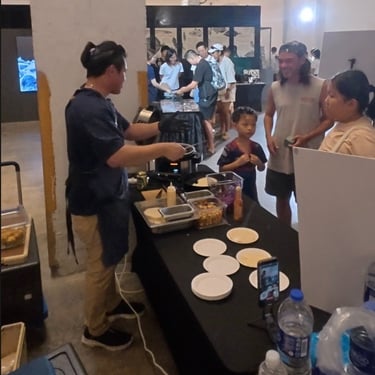
I was recently invited to cook fish soup live at an event. It's my first time cooking outside of my comfort home, so it's an interesting challenge as I learnt a lot along the way. It was a fun experience too, so here are some lessons I learnt from this experience, like getting the right equipment and workflow.
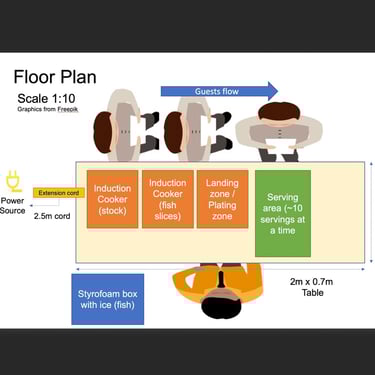
Power extension cord for induction cookers
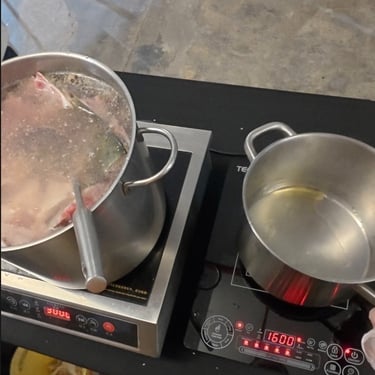
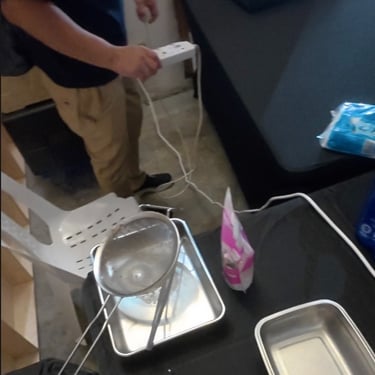
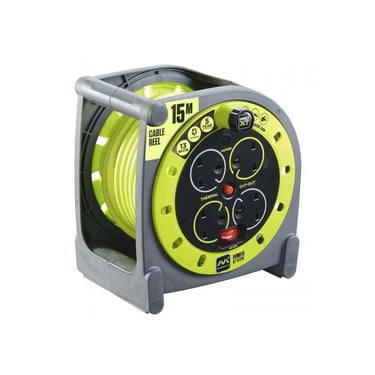
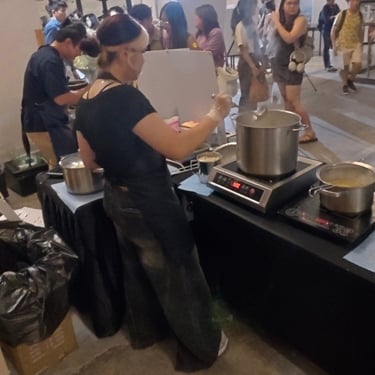
One thing I learnt was to use a proper power extension cord, especially when using induction cookers. The one that came in the venue blew out when I turned on the second induction cooker, which was probably too much for the extension cord to take. Luckily I brought my own with a safety mark and it handled the electrical demand well, although the wire got really hot to touch so don’t touch it. And it was a little too short so it became a slight tripping hazard for my neighbour, but it worked out in the end. Better bring a longer one next time! Something like this heavy duty set that stretches up to 15m with 4 plug sockets.
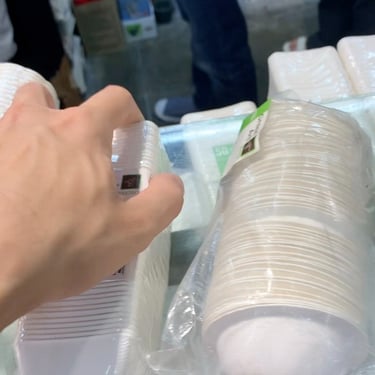
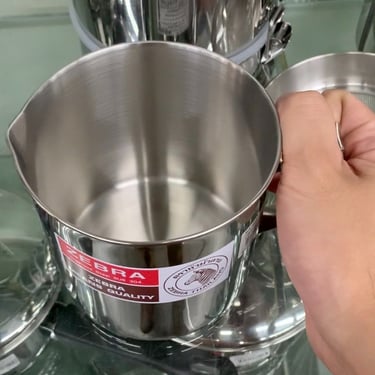
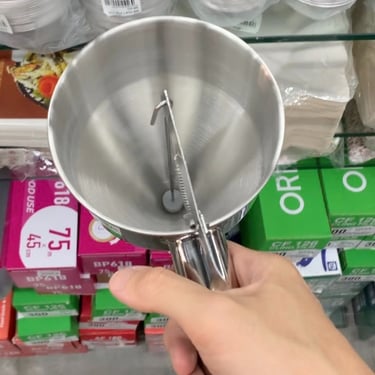
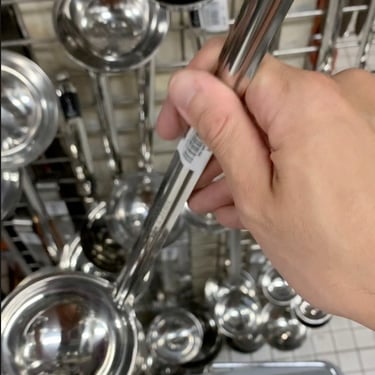
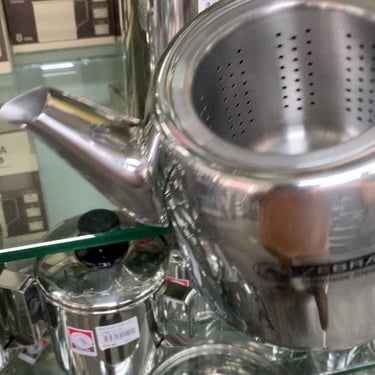
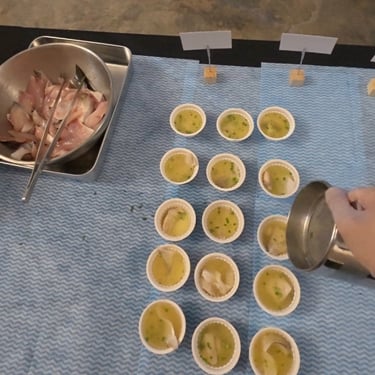
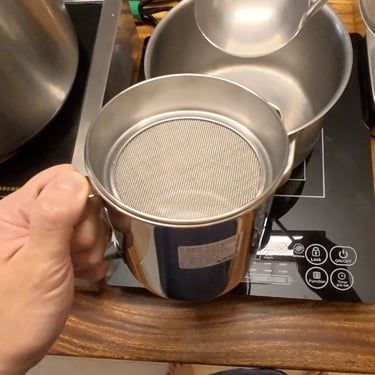
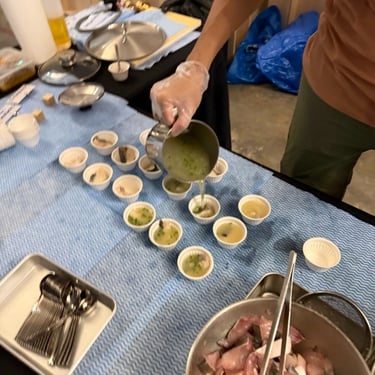
To serve the soup quick and efficiently, I looked at several tools from decanting container, to one that's used in pastries to squeeze and release vertically, to a ladle, or even a teapot. I think to serve the fish soup fast, a ladle is not ideal because I could at most fill 2-3 cups per ladle and I need to spend a few seconds to get another scoop. Whereas the decanting pot or teapot could let me fill around 10 cups which should work. The squeeze piston one is probably more suitable for fluid fillings for tarts and pastries and doesn't hold as much capacity as a pot, hence I chose the pot for this fish soup filling task.
Calculate enough disposable serving wares
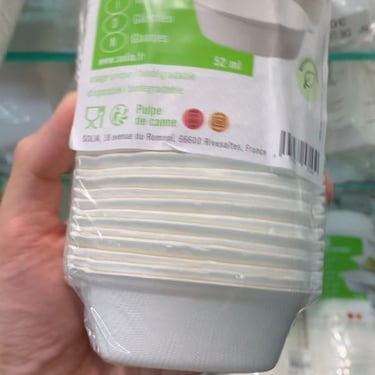
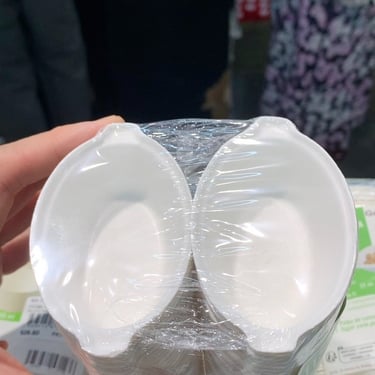
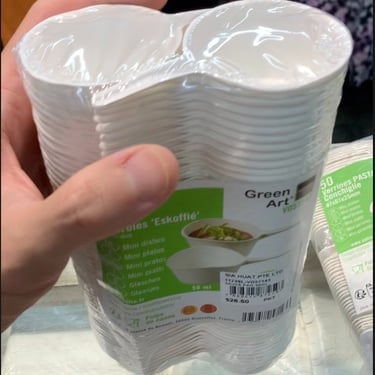
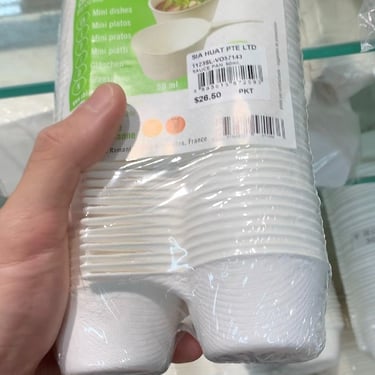
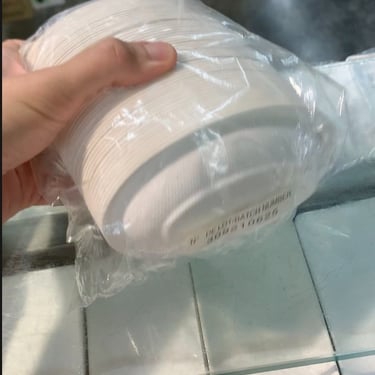
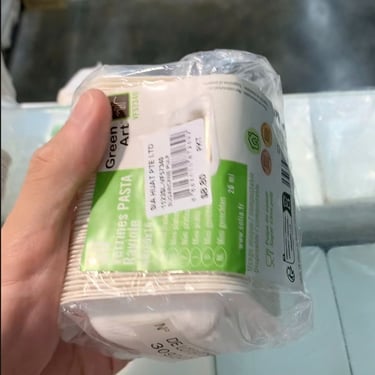
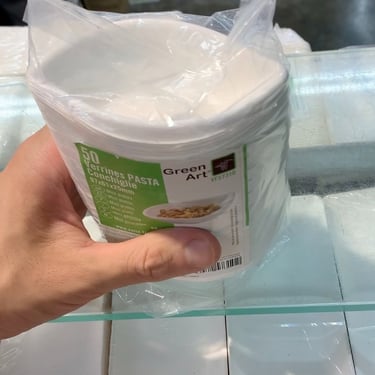
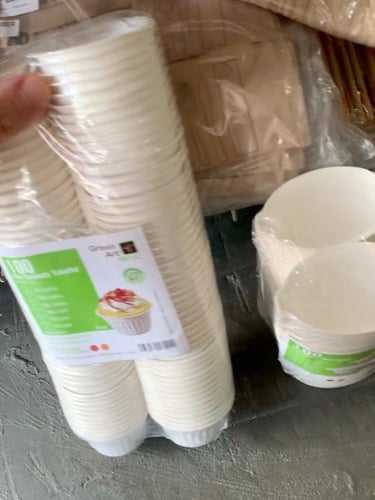
I also ran out of cups about 3/4 through service because I miscalculated the fish slices per serving. The key learning here is to get the math right - weight of each serving x number of servings = quantity to order. We initially agreed with the organiser to serve just 200 cups, so I bought 300 cups just in case since they come in packs of 100 each. It turns out that each slice of fish weighs about 15g as predicted correctly by ChatGPT, so we ordered just 3kg of fish meat. We wanted each person to try 3 types of fish, so we ordered 3kg x 3 = 9kg of fish. But I forgot to get 3 times the number of cups because each cup could only hold 1 slice of fish! So luckily there’s grabmart to get disposable cups delivered from a nearby mart. It’s not ideal as it’s taller, but we still managed to serve more guests without any toppling. Just that this boat shape size I considered earlier would have been better and it also has a more interesting shape than the usual cup.
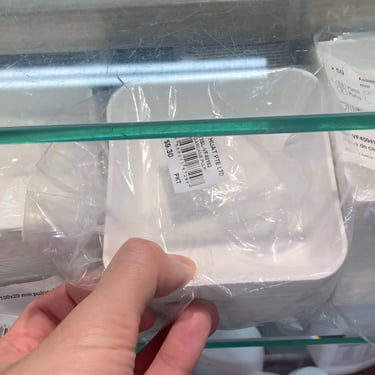
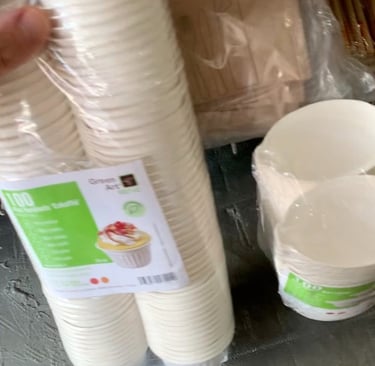
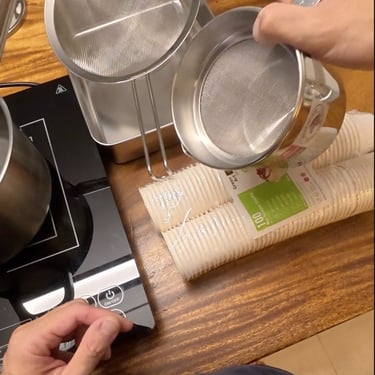
In terms of disposable ware, I tried out various cups types and got this round cups on the left because it’s the most stable to hold soup and not topple, but in hindsight I should have gotten the boat shape one on the right that’s wider to hold the long strips of fish slices, and hold more soup.
I initially found the rest of the containers either too small, too big, or too odd.
Transport equipment in crates instead of bags
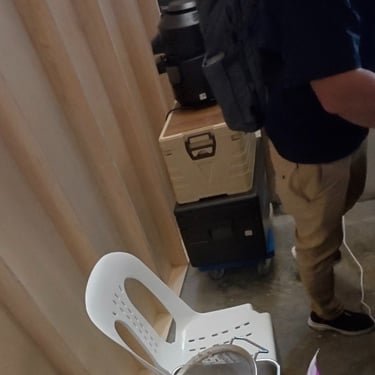
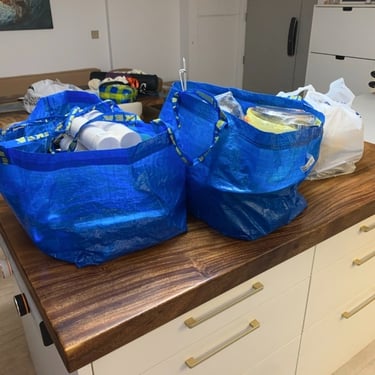
Logistics wise, it’s actually not ideal to bring all my equipment in an ikea bag. Yes it can hold heavy stuff and the material is durable. It won’t tear and can even hold a dozen of durian, so imagine how thorn proof the material is. But it’s quite heavy to carry on the shoulders and I got a shoulder ache from carrying it just for awhile. A smarter way is to pack them in crates like my neighbour Kenneth, the mixtape Chef. He has these crates that he uses for camping too and there’re rectangularish so it’s easy to wheel across with a trolley. I’ll certainly get this again next time for the next gig.
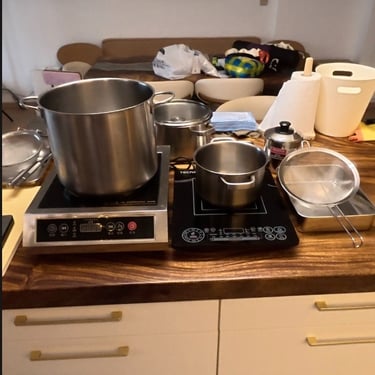
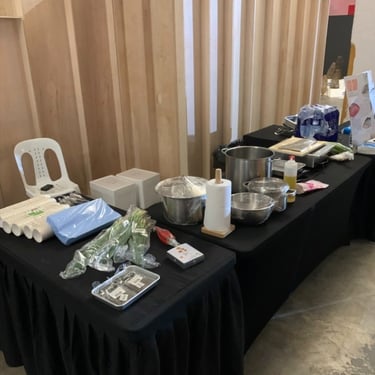
So while planning for this event, I came up first with a simple menu - let people try 3 types of fishes in fish soup cooked with fish bones and some aromatics. Sounds simple, but lots to prepare so it’s a stretch gig for me. So with this menu, then I came up with a list of tools that I need to make the dish, mainly 2 induction jobs, the pots, sieves to strain the stock, and many other smaller tools to make it happen. Then I mock it up in PowerPoint to scale so I could request the organiser to provide the right table size.
And here are the things that went well thankfully due to early planning.
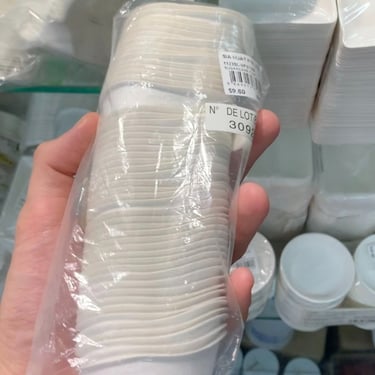
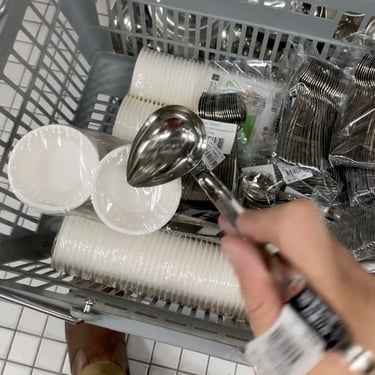
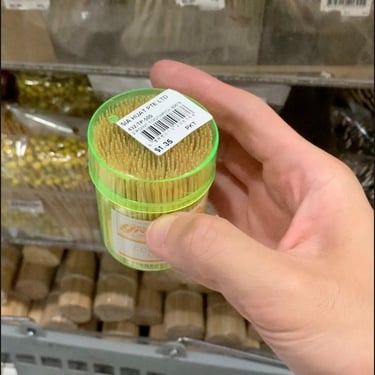
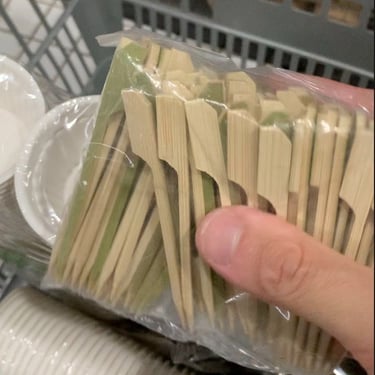
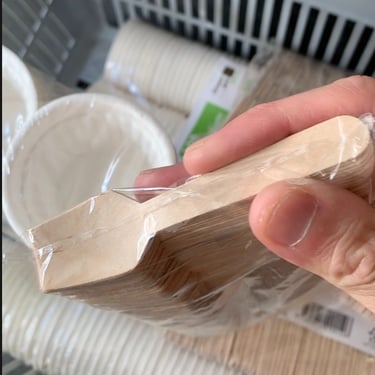
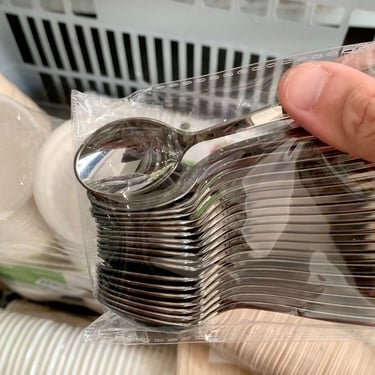
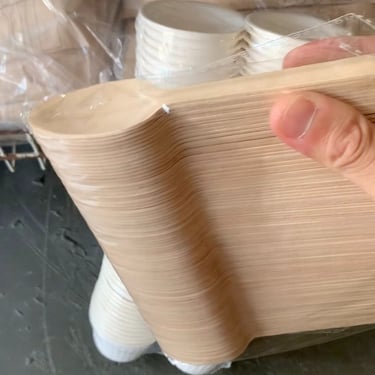
For spoons, I thought of using a toothpick at first to pick up the fish slices, but since there's soup involved, I should get a spoon instead. There's an ice cream spoon which is too shallow, and the wooden spoon is a little too long. Then I found this metal looking spoon and it's actually not a metal spoon. Some people thought they have to return it. The take up rate also wasn’t that good. There’s no other option in between in this shop so I settled for this nice disposable spoon that looks like metal but it’s actually plastic. Though it looks nice to use, several people asked if they have to return the spoon, or probably thought of not taking it at all for that reason, so I probably wouldn't buy it again unless it's for fancy popup events.
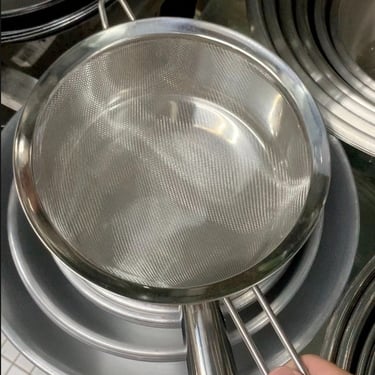
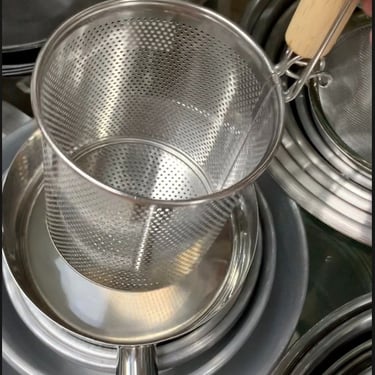
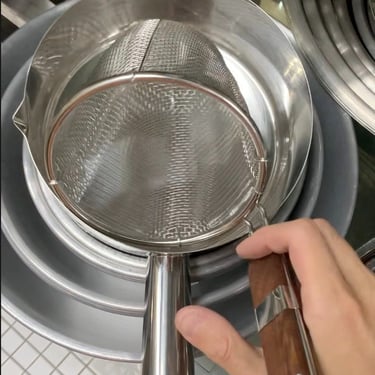
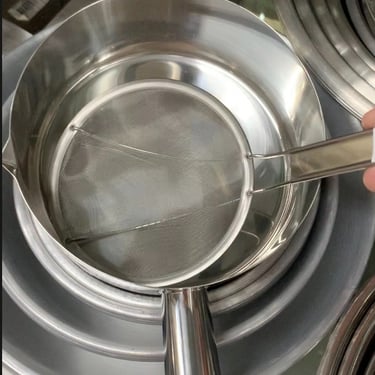
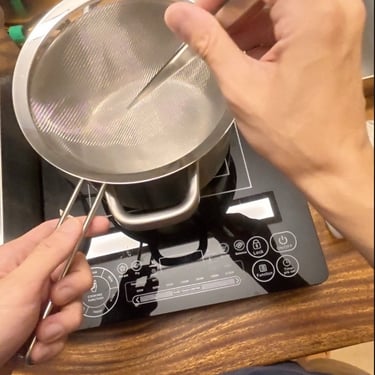
For serving the fish, I knew from experience that fish slices are incredibly fragile and breaks easily, so I thought the best way to cook lots of fish slices without breaking them up is to use a sieve submerged in soup. Other containers like a noodle basket are too deep to pick up the slices and they would crowd together, and a scooping sieve would also break up slices as I try to fish them up (pun intended), so a wide sieve is the best option here and it turned out working great for the event day.
Stay out of trouble: Temporary Fair Food Stall License
Another thing about licensing that’s boring but important to not get into trouble with authorities is this fish soup is not offered for sale. Usually in this setting, a temporary food fair and stall license is required, but since food is not offered for sale, I confirmed with Singapore Food Agency or SFA that this license is not required, so we’re good. Operating temporary fairs illegally without a permit is an offence so I find it quite puzzling how making food for sale or not actually makes a difference in the need for a permit (when making it free leads to more people consuming it). I guess it's due to how the food safety laws work here - when you start selling food, you need to comply with certain laws like getting a permit etc.
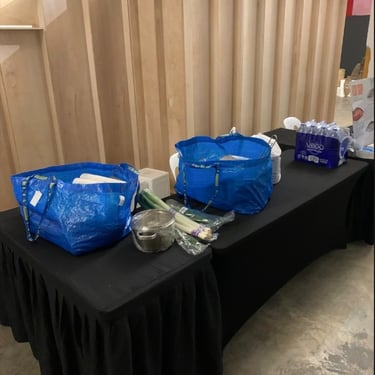
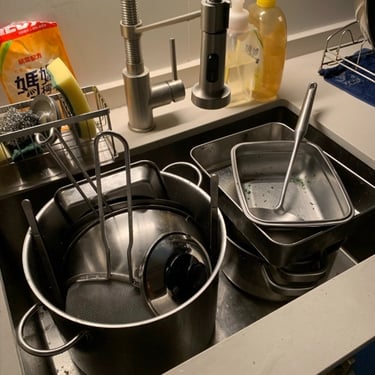
Luckily it worked out for us because the venue actually doesn’t have a water source or sink. It’s not a kitchen and there’s no mobile kitchen as it’s actually an industrial warehouse type of space. By right, for food stalls, there must have a proper sink, a fridge, and display showcase for food items to serve food that’s safe to eat. Since we don’t have those, then by offering food for free in the event, we are legally able to operate without getting into trouble with SFA.
Though the tables were low for a tall guy like me, I still tried my best to chop the ingredients while standing as it’s still more efficient than when sitting down.
Use disposable gloves to skip handwashing
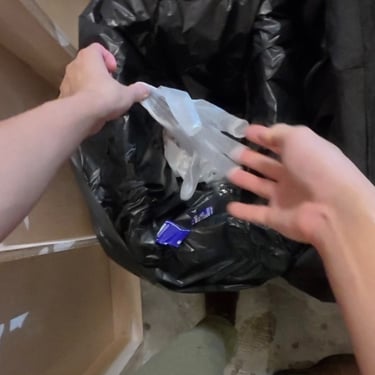
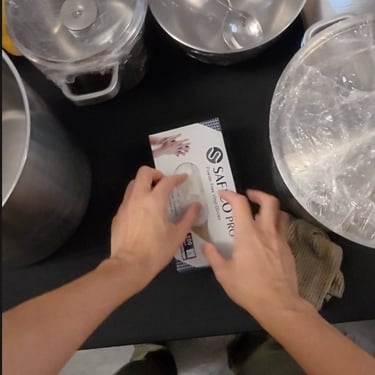
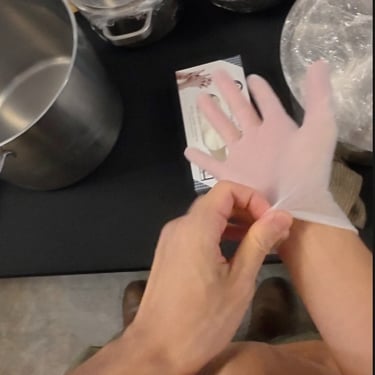
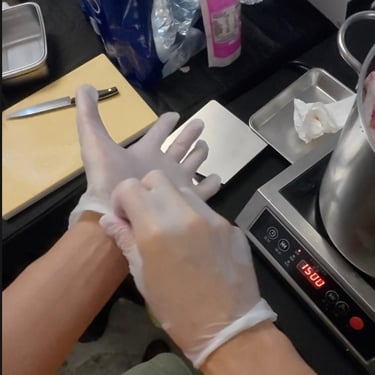
Since there’s no water or sink at this location, I’ve never worked under this condition before, so I bought hand gloves and changed them whenever I need to “wash” my hands. For example, after handling raw fish, I took out my gloves and changed to a new one before touching the soup ladle that serves hot soup. Even if there is a sink, I thought it’s really convenient to just swap new gloves whenever I need clean hands. It pulls out of a box like a tissue box.
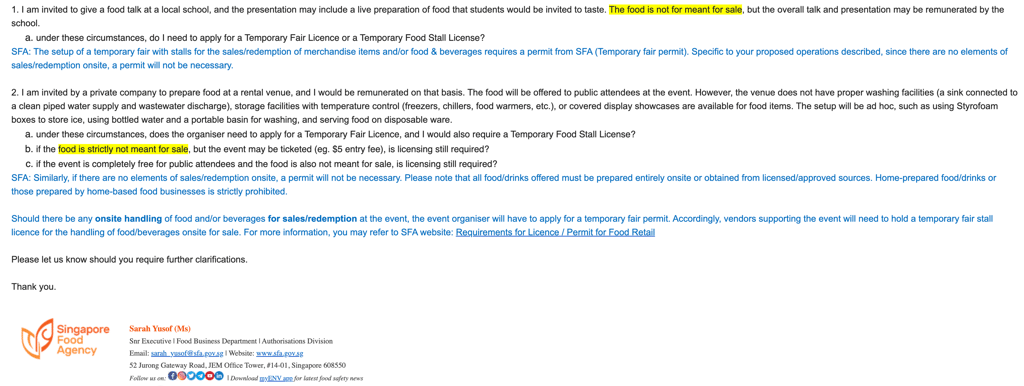
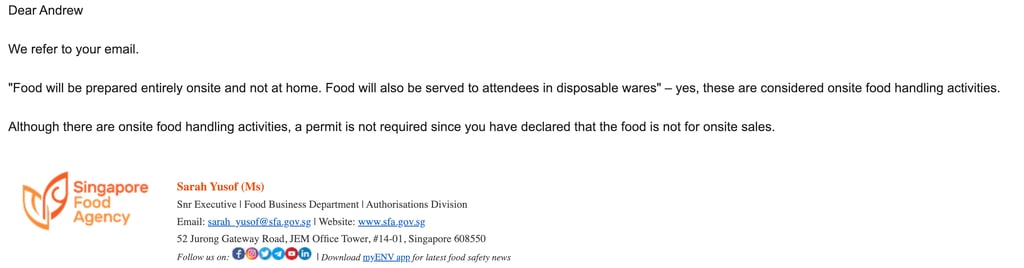
But there’s one condition by SFA that is really strict. Food has to be prepared on-site and cannot be prepared at home or sourced from home based businesses. So I try to do my part to bring fresh ingredients on-site and keep my tools safe and clean.
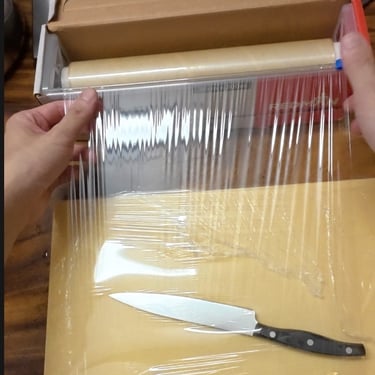
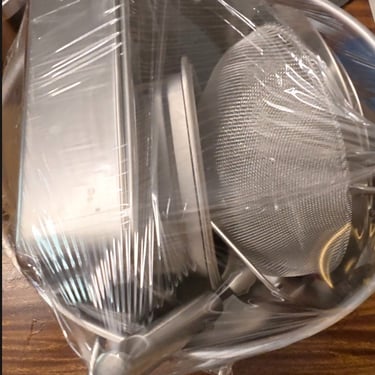
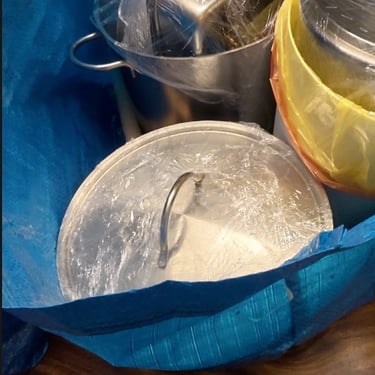
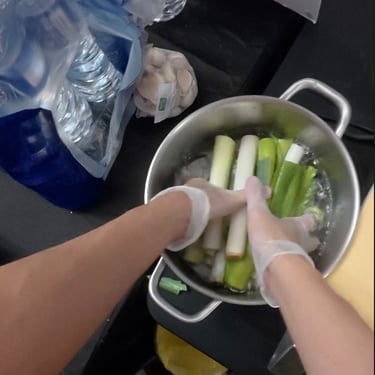
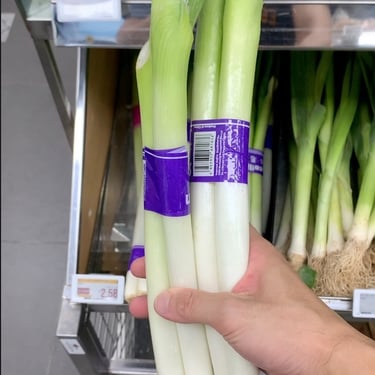
For example, I wash all my pots and food contact equipment before bringing them on-site. I cling film them to keep them safe from debris or dirt during transportation, and unwrapped them on-site only when it’s time to cook. I also wrapped my fresh ingredients like this scallion, and used a pot with water as a basin to gently wash them so it’s really clean.
Design and practise a cooking workflow
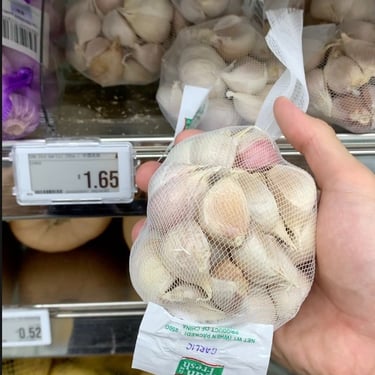
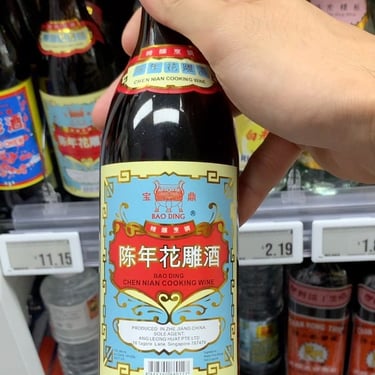
I also did a dry run through the workflow while laying out my tools at home, just so that I don’t miss out bringing any smaller tools. Fortunately I didn't forget to bring anything, just that for the garlic, it would have been more efficient to have something heavy and solid to smash it open, so I thought of using a pot to do that, but a glass bottle of Shao Xing wine also works out well.
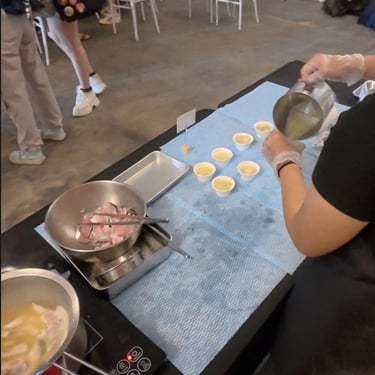
For the fish, I devised a strategy to use a sieve to cook the fish in the stock, so I just need to lift the sieve up and use a pincer to transfer to cups. This worked out well because the fish slices are incredibly soft and fragile, so they have to be just very lightly pinched to transfer to the cups. And it also has to be picked up along the long side so it won’t break by its weight alone. This sieve strategy worked out well also instead of using a scooping sieve because that would definitely cause more breakage and also slow down service because I need a few seconds every time to scoop them up, and every seconds multiplied by serving count adds up to waiting time, so make the service as efficient and least effort as possible.
Overall it was tiring, hard work, but fun to serve guests fish soup nonstop. It got repetitive after awhile - unpack the raw fish, season with 1% salt by weight, cook in the soup, sieve the master stock pot for more soup and serve the fish slices and soup into cups. What kept me going is the happy feedback I get from people who are surprised by how flavourful the soup is, how tender the fish slices are, and how it’s not fishy in a bad way, though I have to credit that thanks to the organiser for procuring the freshest fish from a farm in Penang. The fish slices were expertly sliced also so I didn’t have to do any slicing on-site that would add to the logistics.
Keep the tables dry
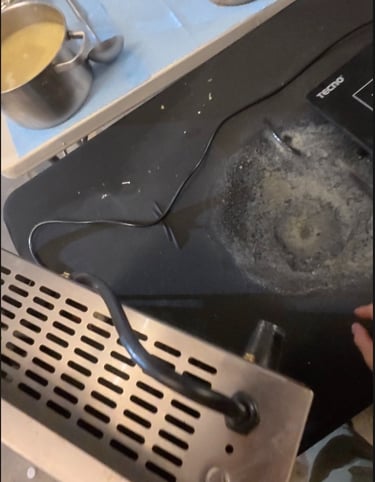
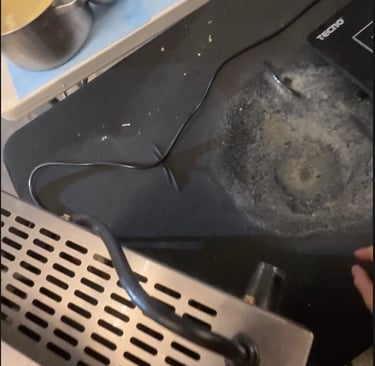
One thing that I would add under the induction cooker is a tray to catch liquid drippings. Since I was dealing with liquid soup, it drips whenever I use a ladle, and that adds up into a puddle in the end. There's a wet ugly mess under the induction cooker after the event due to how the drippings from the ladle accumulate into a puddle. So it would be cleaner if I could put a large tray on the table first, then put on the induction cooker on top of it. A dry mat would not work because it would get wet anyway, whereas if the tray starts to get full, I could bail out the liquid using dry wipers.
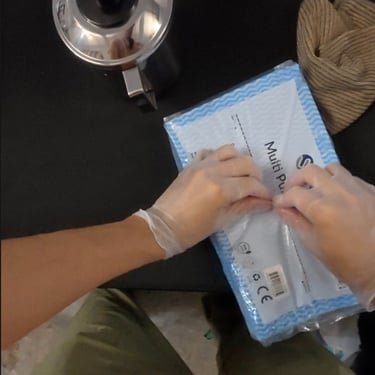
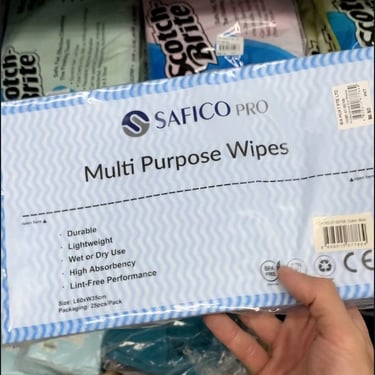
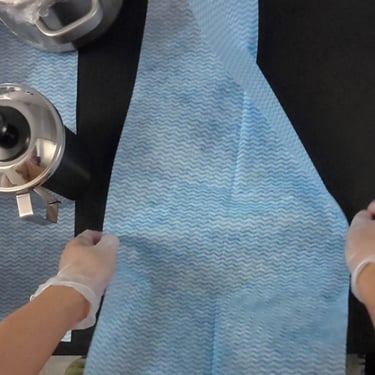
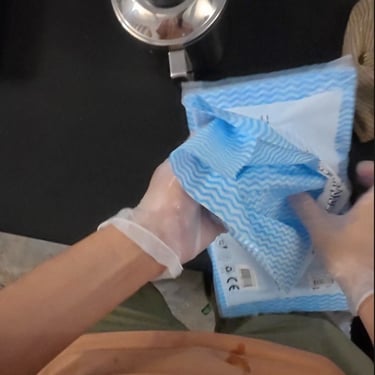
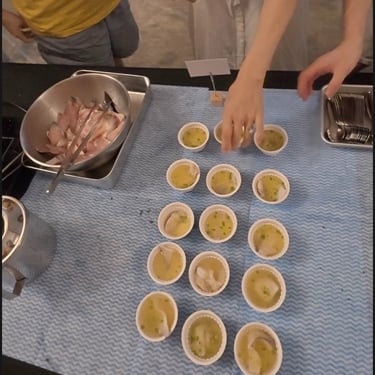
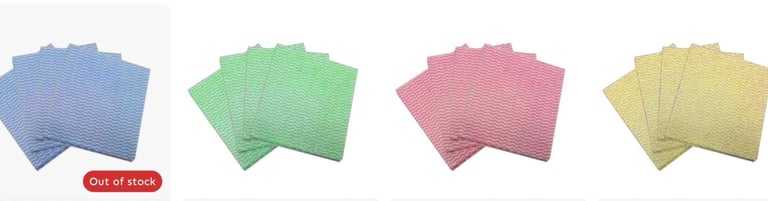
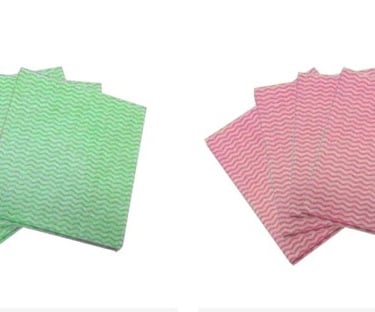
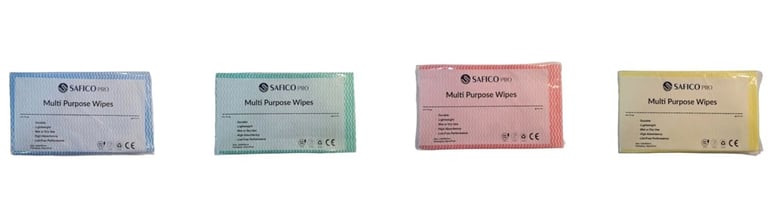
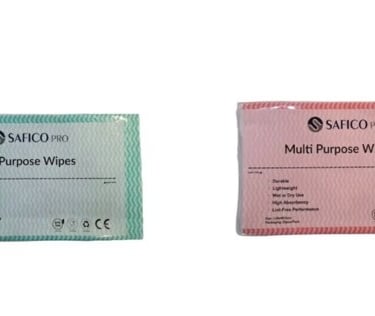
Speaking of which, I’m glad I bought these dry wipers to lay out on the serving area to catch any spills (no cups spilled by accident thankfully), but these wipers absorb liquid better than white kitchen paper towels. It also provides a clean and wide surface area like a picnic mat to catch small little drips when I’m serving fish soup over the cups.
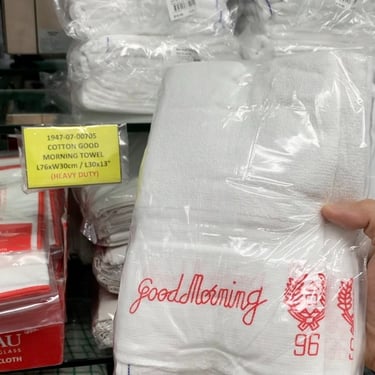
So I think whether to use a drip tray or a dry wiper sheet depends on whether we have the freedom to move it or not. For the induction cooker, it’s not convenient to lift up the pot and cooker just to change the sheet underneath, so I would use a tray. Whereas for the serving station, once people take the cups, I could change the dry wipers if needed. I never had to since it stayed dry all the time. Highly recommended for any food serving area. A bonus is it comes in different colours we get to choose for this picnic mat. You can find it at the towels section at Sia Huat, where the old school good morning towels could also be found.
Check recipe ratios to scale
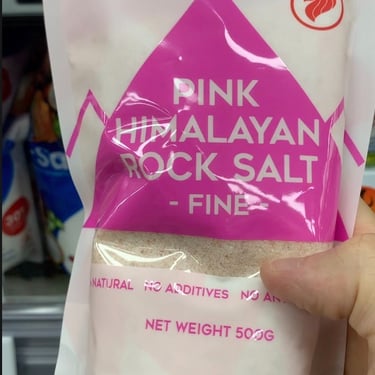
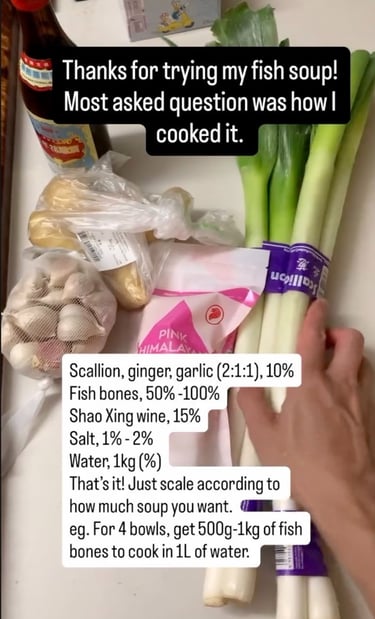
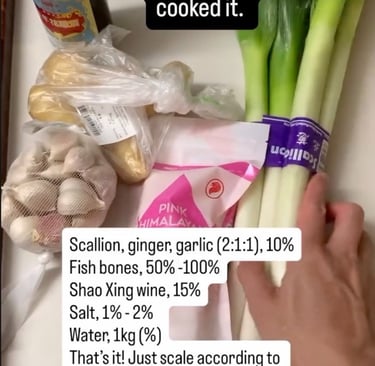
Even though many people came by and asked the same question what’s in the soup, I was happy to explain the ingredients that went into them to serve a good answer always, even though it's the 10th person asking me the same thing. It just feels good to explain to people what goes into their food. It never gets tiring though it was physically straining. The recipe is here in % format so it’s easy to scale up or down as required. It’s a simple recipe of how I cook my fish soup at home and I’ve made use of ChatGPT to sense check the ratios and it turns out to be great too. Here's what the ingredients look like in Sheng Siong. I also added 1 -2 pieces of red chilli because I like a little bit of heat in the soup to give it that extra warmth without being spicy.
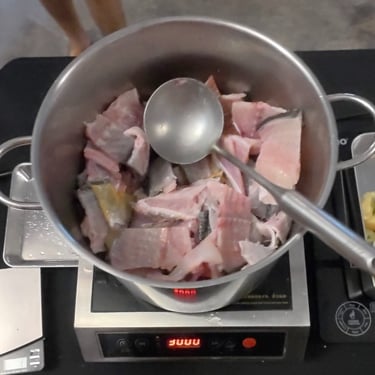
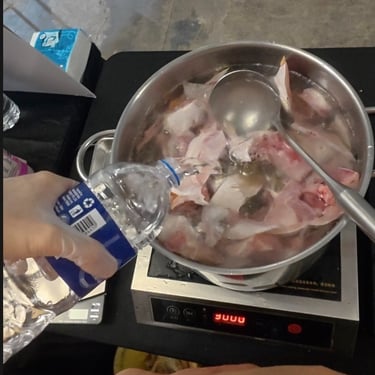
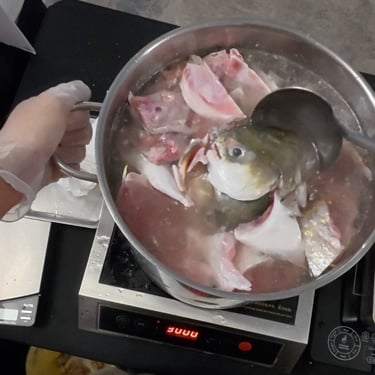
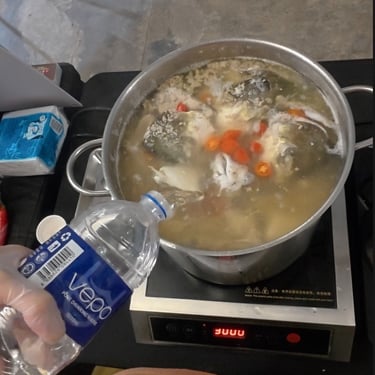
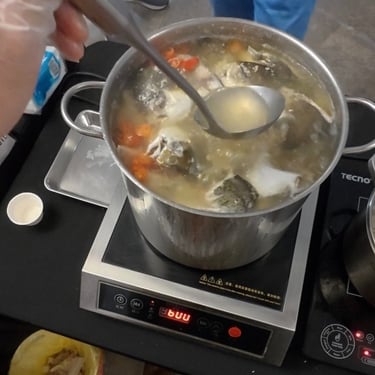
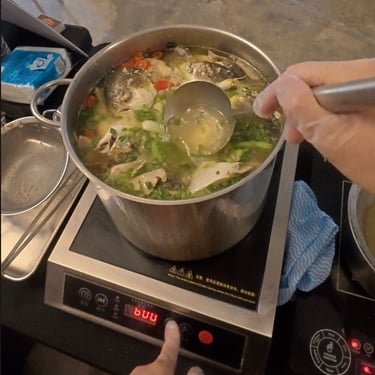
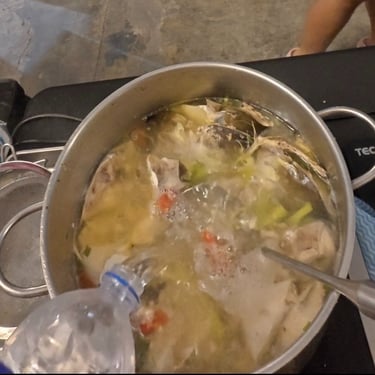
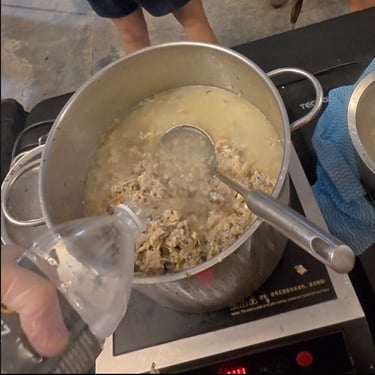
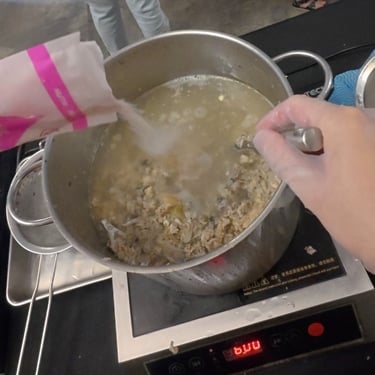
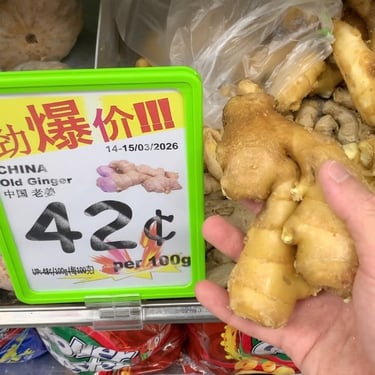
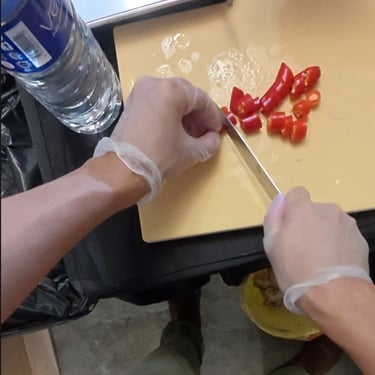
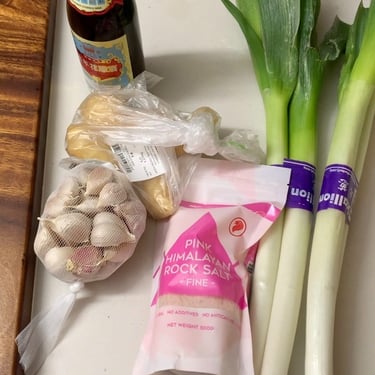
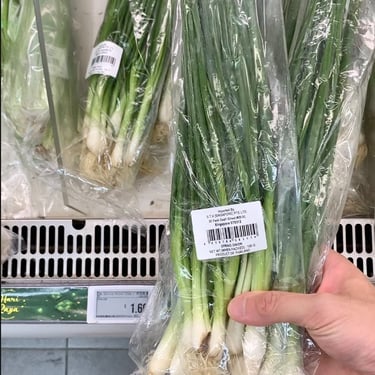
What surprised me also was how robust the fish bones are. Even though I've added water again and again, the flavour is still there. The bones break apart as time goes by, hence releasing more flavour. It's a gift that just keeps giving. I just need to top up a little bit of salt once in a while. The colour of the stock also changes from cloudy grey, to golden clear, to off yellow. As I keep dishing out the soup again and again to serve while adding water and cooking at the same time, I think that's probably why the flavour stays constant.
Lead a team member by example
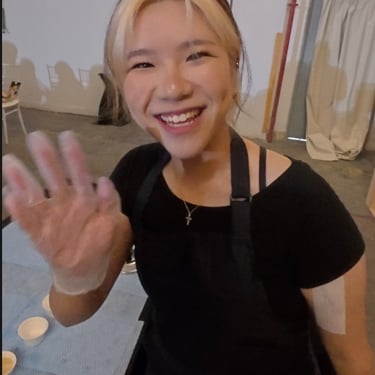
I also received help from another volunteer, Zhen, at the event and she’s really nice and cooperative. She’s got real F&B experience too as a teenager so she handled it really well so that I could chat with people with questions while she handles the service. It’s great to work in a team and how I try to lead is to do it by example by showing her first how I do it, how to cook the fish slices, pick it up without breaking them, and adding soup. She eventually did it independently so I could also take a short break. This is also a great learning experience to try out my leadership ideas in a kitchen by leading with self example. It feels good to show someone how to do something and could then take over the station entirely while I could take a short break.
More live chef popups?
Would it do it again? Definitely yes and I would do it smarter this time. In short, what I would do differently is
Get the right number of disposable serving wares
Transport my kitchen in crates
Bring longer power extension cord
What I’d do the same that served me well are
Keep up with food service licensing rules
Use disposable gloves to skip handwashing
Design and practise an efficient cooking workflow
Keep the tables dry with a drip tray or dry sheets
Check recipe ratios to scale
Lead team members by example, showing how I do it first
Subscribe to stay updated
Subscribe to my free newsletter to stay updated on new posts. You can unsubscribe anytime, no hard feelings.