Great meetings start with great frameworks
LIFE LESSONS
I just did a meeting with my church public affairs council and it was a really enjoyable one as we’re planning for the year ahead on what we want to do and how we plan to get there. Whenever I’m in a meeting with people who seldom speak up and they actually did say something valuable, I know I’m in a great one where people are pumped up and excited to share stuff because they feel heard and valued.
From what I observe how this could be universally applied, it comes down to frameworks the lead presenter uses to drive the discussion. A simple framework is like an organisation chart on how we organise ourselves, who does what. Then people have a friendly debate if this is the right model going forward. Another simple framework is what do we want to achieve in the years ahead, and how much budget should we allocate to those goals. Another favourite framework is to start with why we’re doing this, then connect the dots across what we want to achieve and how we plan to get there. Essentially it’s the why, what, how, where, when model listed in order of priority.
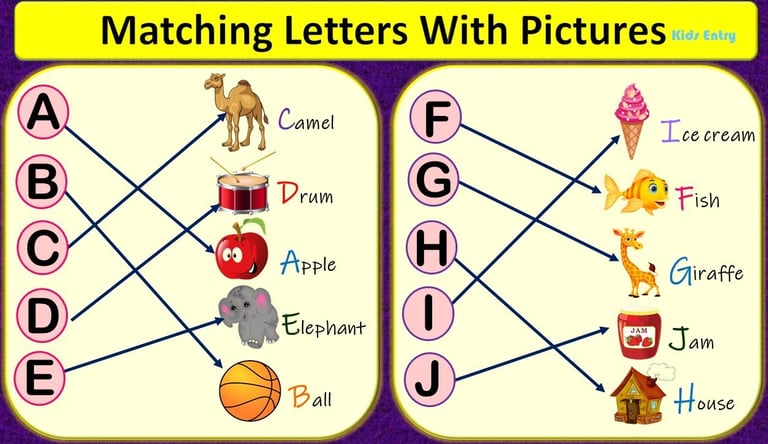
As I ponder the psychology behind these frameworks, it triggers a childhood memory of us doing those connect the dots exercises where we have statements on the lefthand side, and pictures on the right, so we need to draw a line to connect the correct statements that describe each picture. Another childhood activity is to solve the jigsaw puzzle, starting with bits and pieces we individually see, then come together as a team to agree on what the big picture should look like. I think any frameworks that trigger these sort of activities would be a great one because it makes it easy to connect the dots, so people want to participate, simply because it’s easy.
Subscribe to stay updated
Subscribe to my free newsletter to stay updated on new posts. You can unsubscribe anytime, no hard feelings.